Native Ground has currently set aside 22 acres of cardamom plantation for completely chemical-free cultivation. The use of chemical pesticides and synthetic fertilizers has been discontinued.
Baseline documentation of flora, fauna, birdlife, and ecological indicators has been initiated to guide long-term biodiversity restoration efforts and monitor ecological recovery over time.
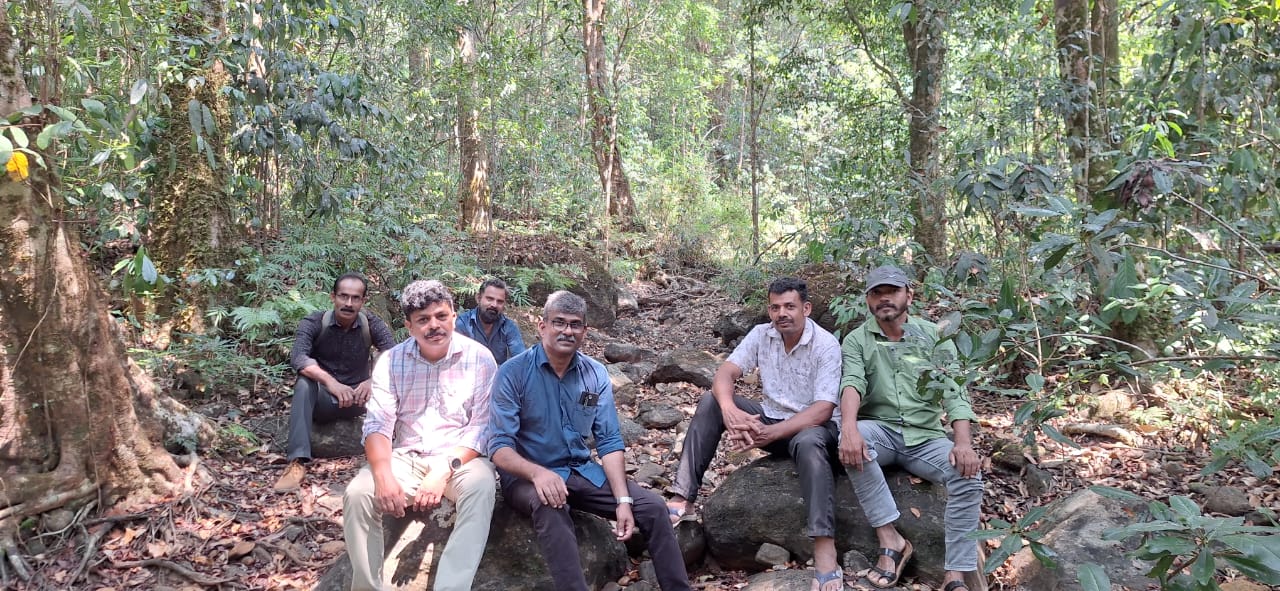
Wildlife experts and conservationists along with their associates, visited Native Ground for a preliminary ecological evaluation. Their observations and feedback have been highly encouraging.
With the onset of the 2026 monsoon, Native Ground will begin planting carefully selected rare and native tree species sourced from trusted conservation nurseries. Efforts are also underway to establish an in-house nursery to support future ecological restoration initiatives.
The long-term vision of Native Ground is to create a self-sustaining ecological landscape where rainforest biodiversity, soil regeneration, clean water systems, wildlife habitats, and sustainable cardamom cultivation coexist in harmony.
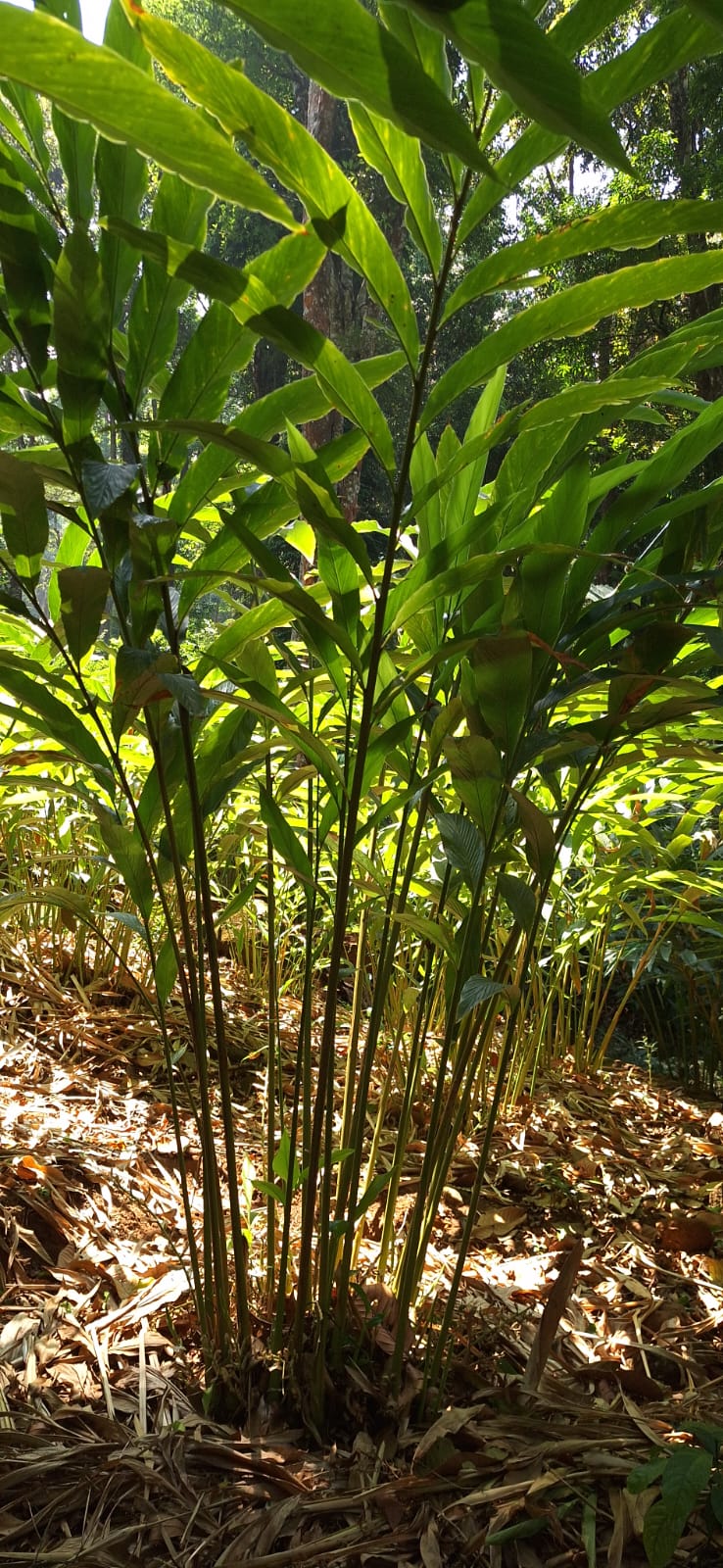
Once celebrated as the legendary “Queen of Spices” that symbolized the pure harmony between humanity and nature, cardamom’s ancient Western Ghats homeland is now facing a severe ecological crisis as declining biodiversity, disappearing native species, and weakening forests threaten to destroy the very balance that sustained it for centuries.
The widespread use of synthetic pesticides and fertilizers has raised serious concerns about chemical contamination, ecological degradation, and the long-term health of fragile mountain ecosystems.
These practices threaten not only rainforest biodiversity but also pollinators, birds, amphibians, soil life, and the streams that originate in the Western Ghats—one of the world's most important biodiversity hotspots.
The growing chemical burden associated with plantation agriculture has also raised significant concerns for plantation workers, farming communities, and consumers.
Potential risks linked to prolonged exposure to hazardous pesticides include:
Protecting biodiversity and protecting human health are inseparable challenges.
Cardamom cultivation spans nearly 100,000 acres across Kerala, influencing vast ecologically sensitive regions of the Western Ghats.
Its impact extends far beyond plantation boundaries, affecting forests, water sources, pollinators, wildlife, farming communities, and consumers across India and international markets.
The scale of the challenge demands more than isolated solutions—it requires ecological transformation at the landscape level.
Global markets are increasingly enforcing stringent food safety and pesticide residue standards.
Concerns over chemical contamination and export rejections threaten not only India's cardamom trade but also the reputation of one of its most celebrated spices.
The future of the industry may depend on transitioning toward safer, biodiversity-friendly, and ecologically responsible cultivation systems.
The indiscriminate use of chemical pesticides and fertilizers is Rapidly Weakening Forest Cover and Biodiversity, Destroying Key Pollinators, and causes Severe Disruption of Soil Microorganisms.
The Native Ground is exploring and experimenting the Restoration of biodiversity inside cardamom plantations while maintaining sustainability and financial viability.
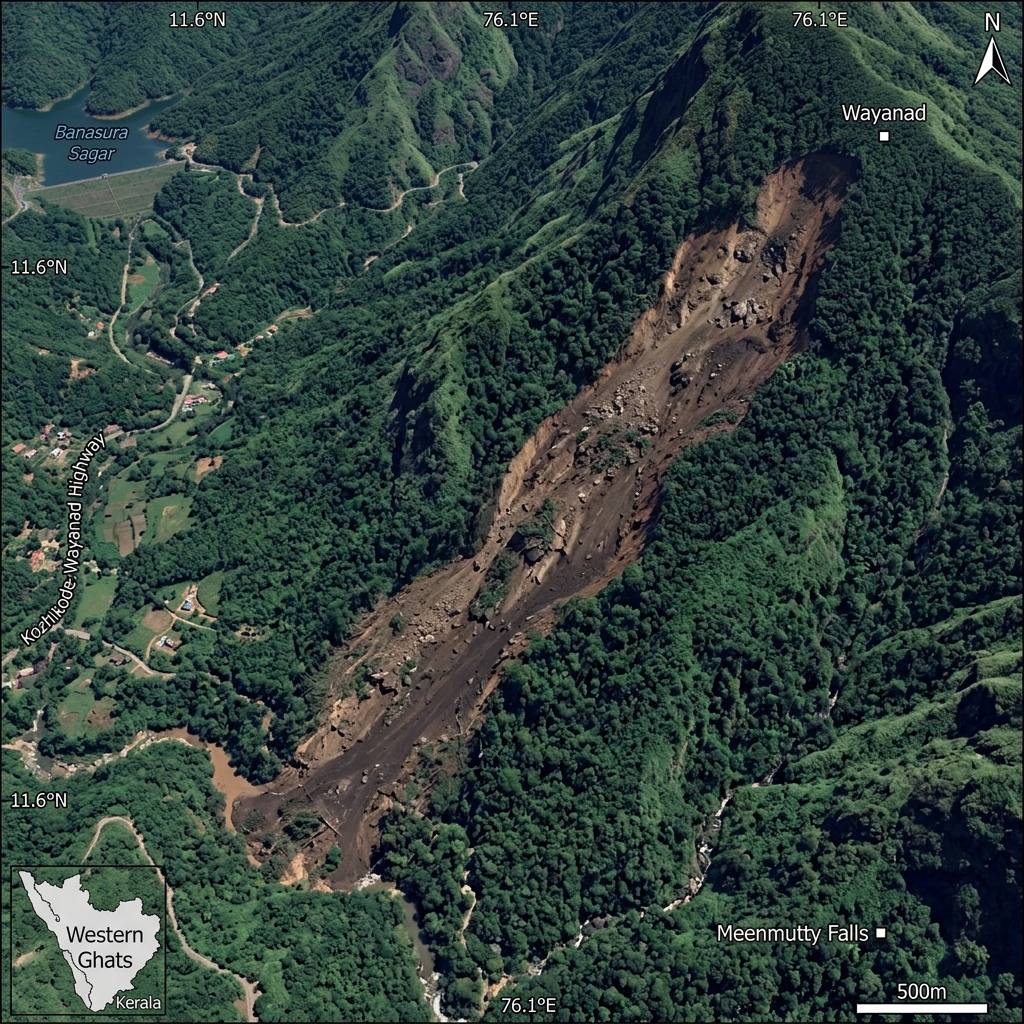
Native Ground’s pilot site chosen to restore Biodiversity is a 20-acre cardamom estate in the vicinity of The Wayanad Landslide tragedy of 2024.
Native Ground intends to document ecological restoration using:
Our goal is to create measurable evidence that biodiversity restoration can occur within productive agricultural landscapes.
Native Ground is in the process of creating a platform for the scientists, students, institutions, and citizen researchers of the Native Ground community to collaborate and achieve its goals.
The key to success is the Competencies, Cooperation, and Commitment of the Native Ground community members.
Be part of a rare and meaningful movement to restore biodiversity, regenerate nature, and create a lasting legacy for future generations.
Join us in restoring nature today, so future generations may inherit a healthier and more vibrant planet tomorrow.
Native Ground community requests Institutional and corporate involvement to partner and sponsor various initiatives, programs, studies, surveys etc.
All possible efforts to be made to expand the model across the state and beyond with the support of the Native Ground community.
100% transparency to be maintained by Before-and-after imagery, biodiversity data, species records, progress reports.
In the early hours of 30 July 2024, the peaceful mountain villages of Chooralmala, Mundakkai, Attamala, and surrounding regions in Wayanad were transformed into a scene of unimaginable devastation when massive rain-soaked slopes of the Western Ghats collapsed, unleashing a violent river of mud, rocks, uprooted trees, and debris that thundered through the valleys at tremendous force. Entire settlements were buried or washed away within minutes, leaving families trapped in their sleep with little chance to escape. More than 400 people lost their lives, many hundreds were injured, dozens remained missing, and over 10,000 people were displaced from their homes. Thousands lost not only their houses and possessions but also their livelihoods, as farms, plantations, shops, roads, bridges, schools, public buildings, and essential infrastructure were destroyed across hundreds of hectares of land. The debris flow travelled for several kilometers, erasing entire communities, leaving behind a scarred landscape of destruction, grief, and loss that became one of the deadliest and most heartbreaking natural disasters in recent history.
Native Ground envisions this initiative as a wake-up call to humanity—an urgent appeal to recognize, value, and protect the Western Ghats, a UNESCO World Heritage landscape and one of the world's eight "hottest" biodiversity hotspots, a globally significant ecological treasure that sustains thousands of endemic species, regulates climate and water security for millions of people, and ranks among the planet's most important conservation priorities.
A satellite view of the Wayanad landslide tragedy in 2024 (To be sourced from ISRO)
The Native Ground team is systematically developing multiple sustainable and biodiversity-linked revenue models to support long-term ecological restoration and community participation.
“Native Ground is being developed as a trusted, ethical, and nature-positive brand creating a strong and credible revenue stream that supports biodiversity restoration and regenerative land stewardship.”
Detailed field-based surveys and analytical reports on Kerala cardamom cultivation, biodiversity, soil characteristics, water systems, native vegetation, and ecological restoration developed by the Native Ground research community.
Conservation-focused nursery for native trees, medicinal plants, rare orchids, pollinator-supporting species, and biodiversity restoration planting material.
Ethically sourced forest produce supported by scientific quality testing and ecological traceability.
Development of biodiversity-linked carbon and ecological value systems aligned with emerging voluntary and regulated climate markets.
Native Ground is envisioned not as a single agricultural project, but as a long-term ecological intelligence and regenerative landscape initiative where biodiversity restoration, sustainable livelihoods, climate resilience, scientific monitoring, and community participation evolve together.
The Native Ground Ecological Intelligence System (EIS):
Native Ground is not merely a plantation. We are building an evolving, living landscape where biodiversity restoration, ecological science, sustainable agriculture, and digital transparency converge.
Building the bedrock of data collection and localized testing.
Bringing real-time tracking online for global researchers and nature enthusiasts.
The future vision of scalable, measurable, and transparent land stewardship.
"Native Ground is establishing an Ecological Intelligence System (EIS) by integrating biodiversity restoration with digital transparency."
"This initiative is envisioned to create a rapidly expanding global community of virtual visitors, followers, and environmental advocates, positioning Native Ground as a globally recognized brand in biodiversity restoration, ecological stewardship, and regenerative conservation."
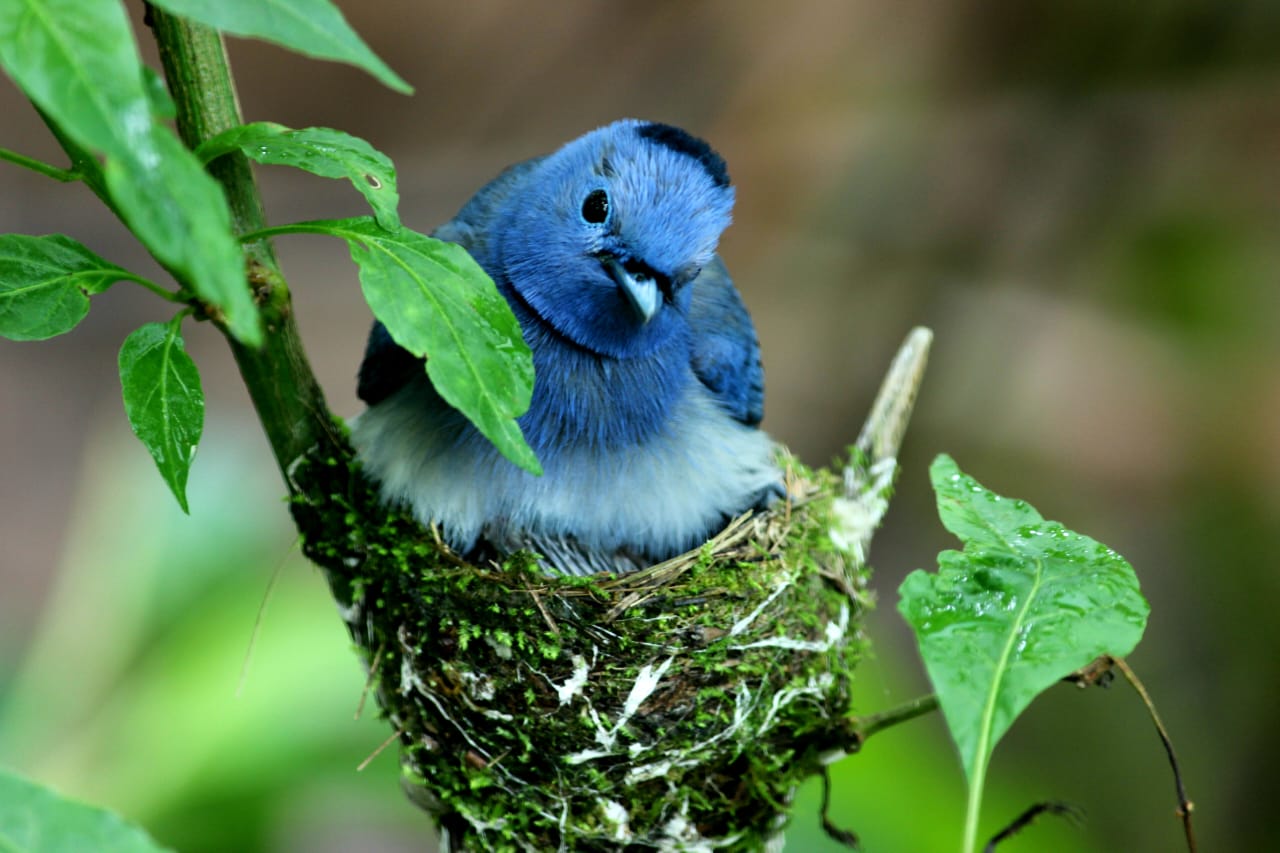
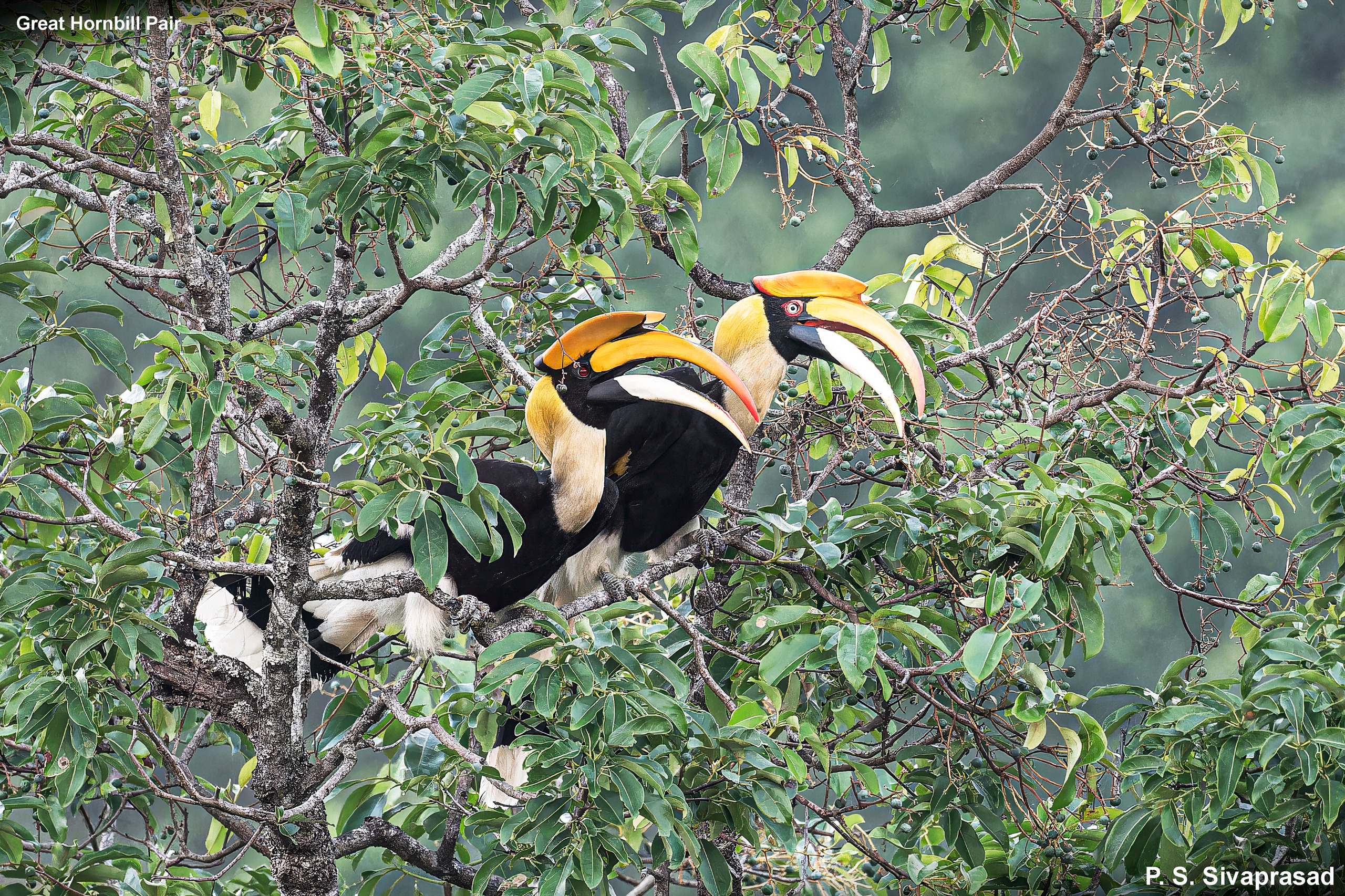
The forests adjoining Native Ground form part of one of the world’s richest biodiversity hotspots — the Western Ghats. These rare photographs of the beautiful birds found in the surrounding forests are shared by the renowned wildlife photographer Mr.P S Sivaprasad.
Photo Credits: Mr.P S Sivaprasad | © 2026 Native Ground Biodiversity Restoration Mission
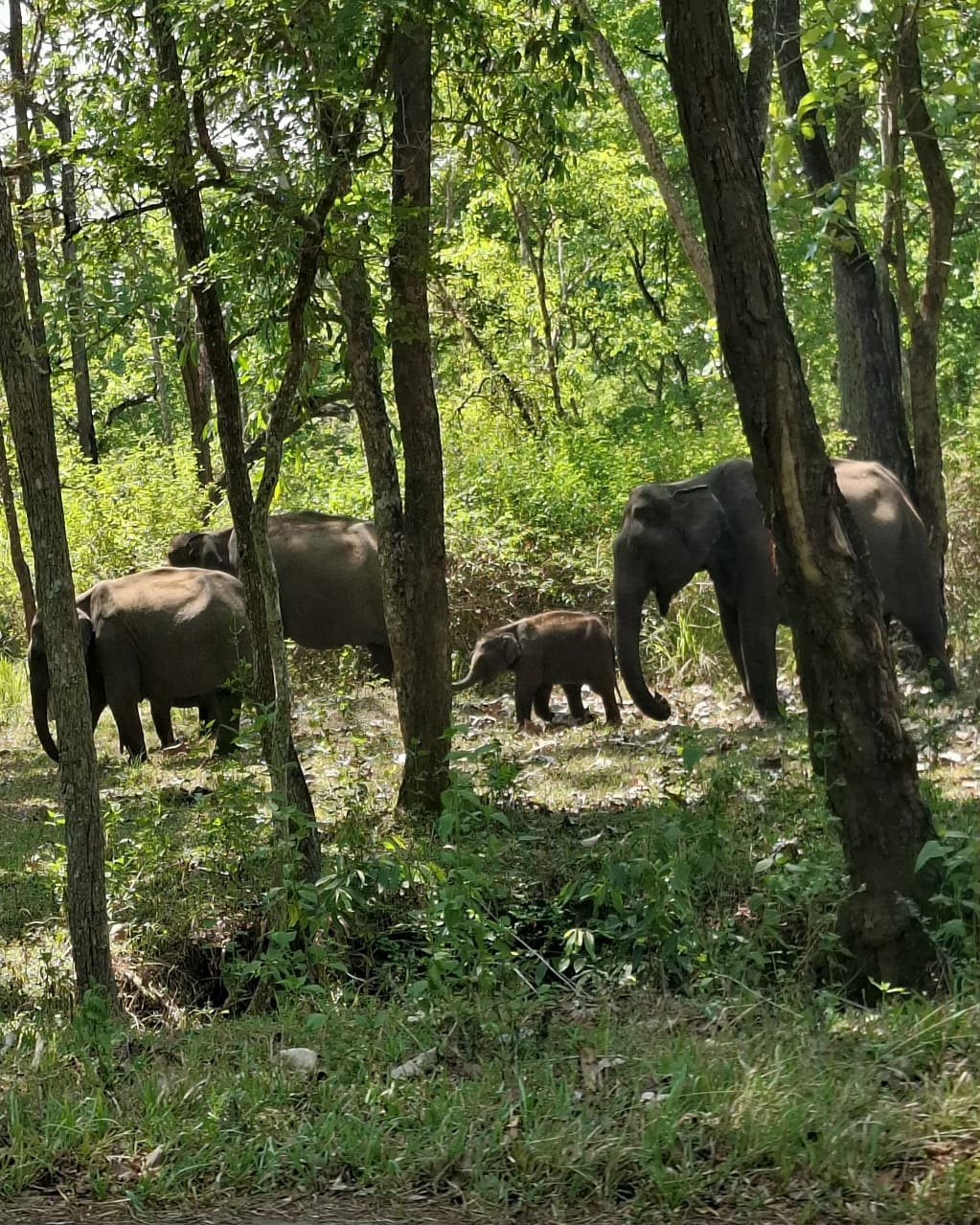
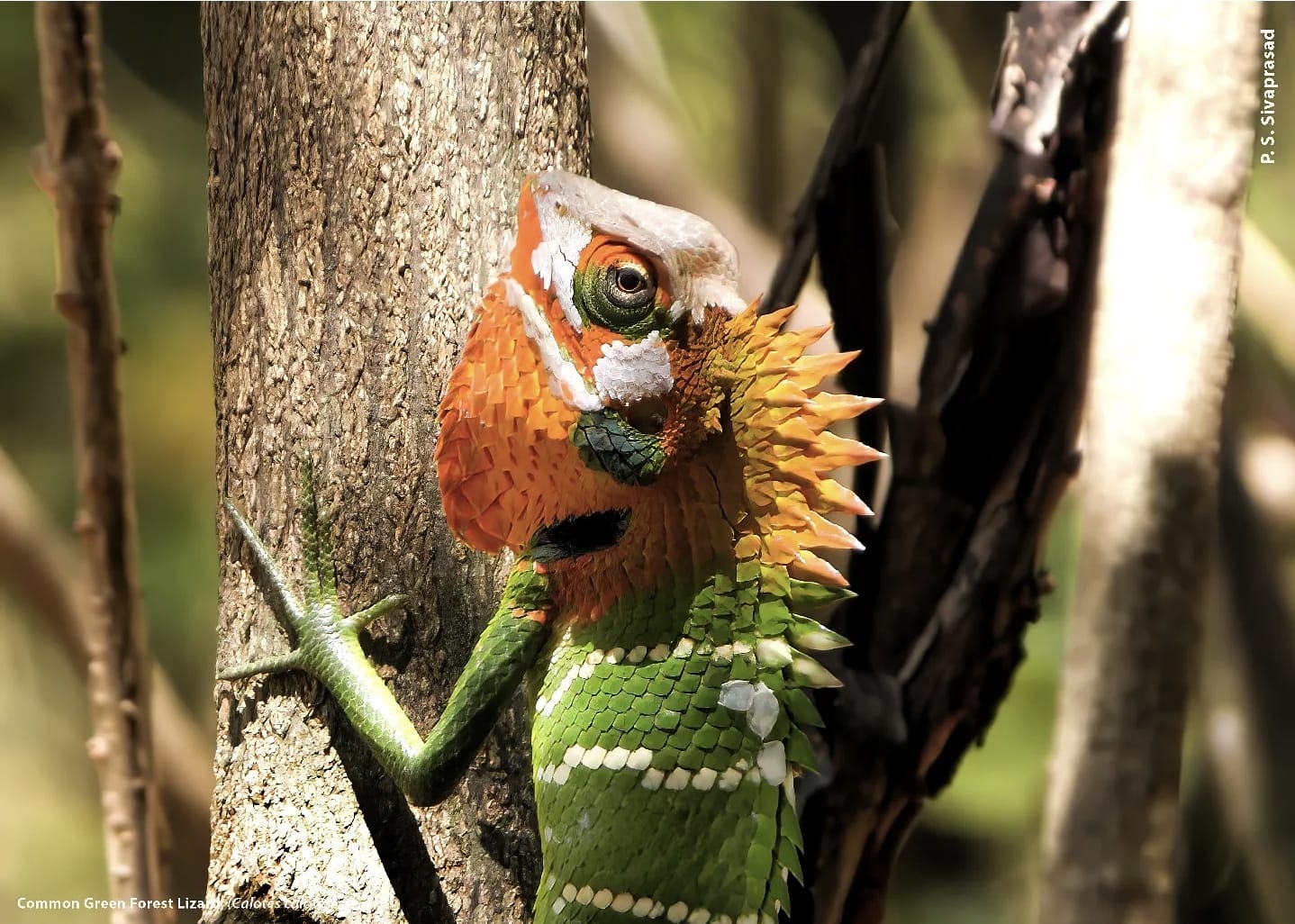
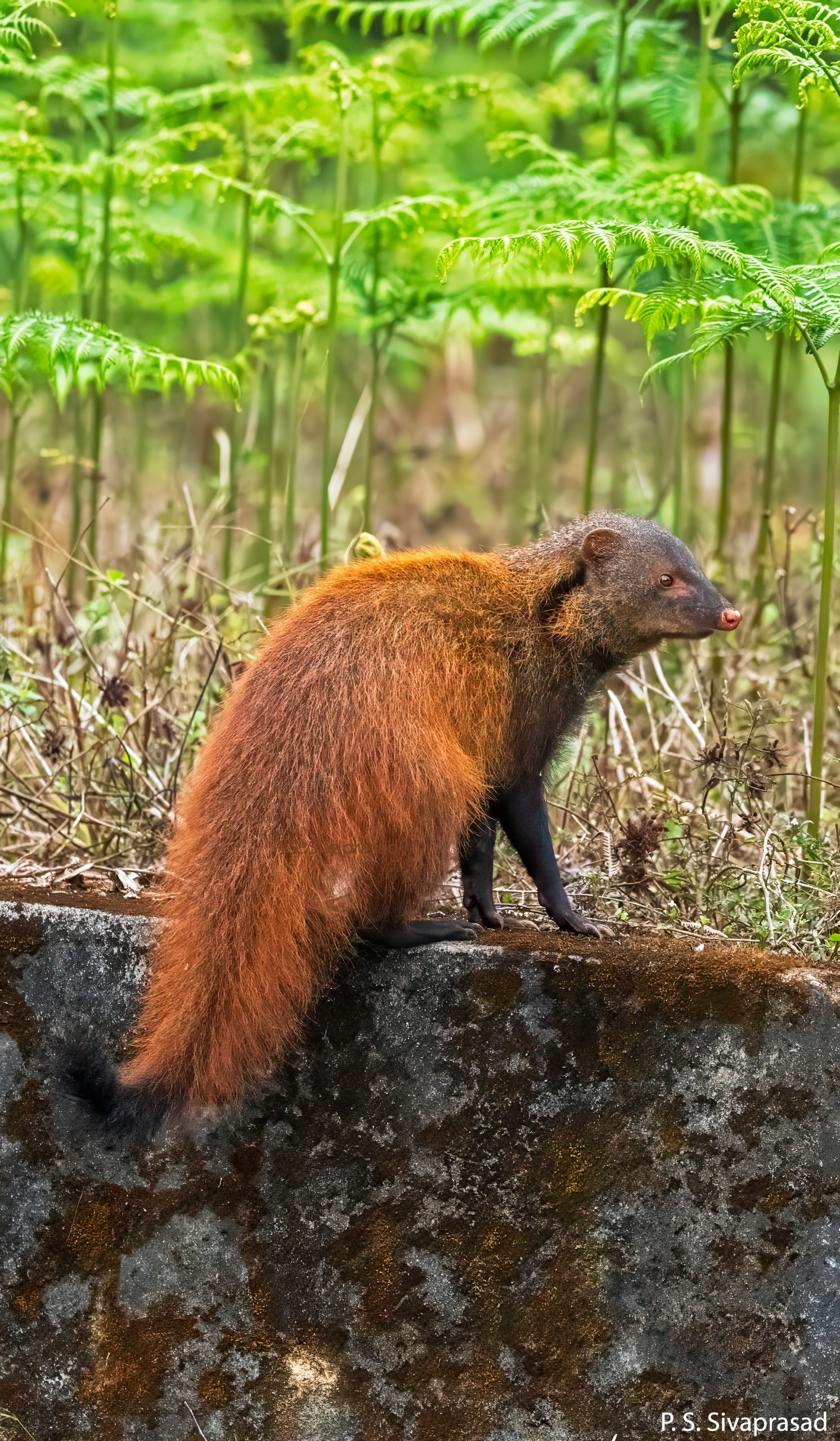
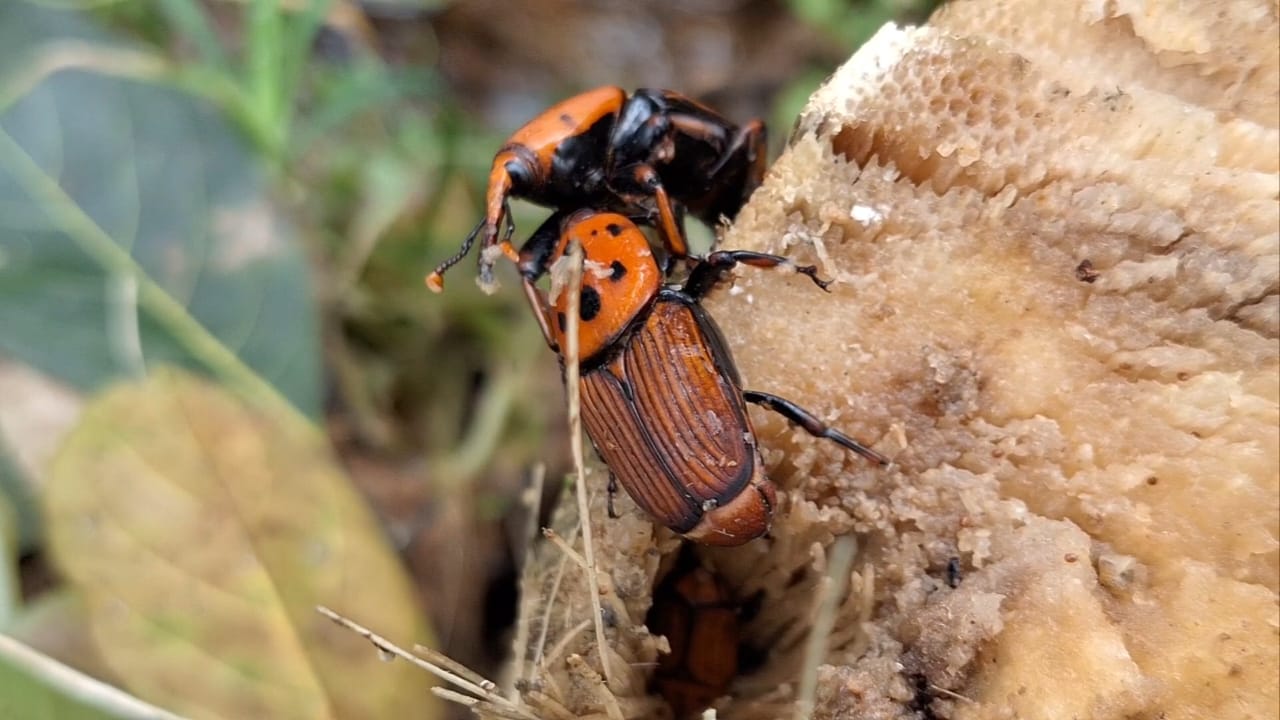
Beyond the canopy and the mist, a world of smaller wonders thrives. These are the tireless guardians of the ecosystem—the insects, amphibians, and mammals that maintain the delicate balance of life at Native Ground.
Native Ground has initiated biodiversity restoration within its cardamom estate using its own modest resources. With the partnership of environmentally conscious individuals, corporate CSR programs, global climate funds, and foundations, this ecological restoration effort can be scaled substantially and accelerated for far greater impact
Providing real-time metrics for corporate sustainability reporting.
Transparent and verifiable impact for global funds and foundations.
Native Ground is developed as an emission-reduction project, committed to rigorous global standards. Our ecological restoration actively captures carbon, restoring balance to the climate while supporting native habitats.
By restoring the native habitat alongside cardamom cultivation, we generate verified carbon offsets that fund further conservation.
Documenting and verifying traditional cardamom cultivation, forest-based agriculture, and indigenous ecological wisdom to create a living archive of Wayanad's heritage.
Native Ground Community is an initiative to inspire people toward biodiversity conservation, healthy living, ecological responsibility, and respect for nature.
We aim to build a meaningful community that encourages people to:
Stories, discoveries, conservation insights, traditional farming wisdom, innovative ecological ideas, and real-life experiences that reconnect people with nature.
Educational articles and videos about harmful chemicals, biodiversity and human health, natural immunity, healthy living, and the importance of protecting ecosystems.
A respected space where elders, farmers, scientists, teachers, nature lovers, innovators, technocrats, forest communities, and passionate youngsters can share wisdom, sustainable practices, traditional knowledge, and life experiences.
If you care about the future of nature and wish to make a meaningful difference, we invite you to join Native Ground as a Volunteer, Partner, or Sponsor.
Whether you can contribute your time, expertise, resources, technology, networks, or financial support, we will connect your contribution directly to genuine needs and opportunities where it can create the greatest impact. Our transparent approach allows you to see how your support is used and the positive change it delivers on the ground.
Together, we can transform commitment into action and create lasting benefits for nature, communities, and future generations.